

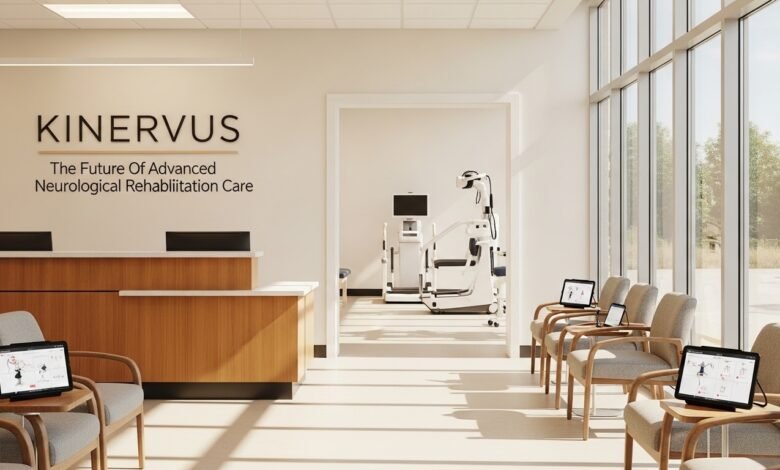
Imagine a world where neurological rehabilitation is not just a process, but an experience that transforms lives. Kinervus stands at the forefront of this revolution. With its innovative approach, it embodies hope for individuals facing neurological challenges. As we delve into the realm of advanced rehabilitation care, you’ll discover how Kinervus is reshaping the landscape and offering new possibilities for recovery and renewal. Join us as we explore what makes Kinervus a beacon in modern healthcare, dedicated to helping patients regain their independence and improve their quality of life.
The Importance of Neurological Rehabilitation
Neurological rehabilitation plays a crucial role in helping individuals recover from brain injuries, strokes, and other neurological disorders. It focuses on restoring function and improving quality of life for patients facing these challenges.
The human brain is remarkably adaptive. With the right support, it can form new pathways to regain lost skills. Rehabilitation taps into this potential by offering tailored therapies that target specific deficits.
Moreover, neurological rehab not only addresses physical limitations but also cognitive and emotional aspects of recovery. This holistic approach ensures that patients receive comprehensive care. As awareness of its significance grows, so does the demand for effective rehabilitation methods. Investing in advanced techniques can greatly enhance patient outcomes while fostering independence and confidence as they navigate their recovery journey.
The Science Behind Neuroplasticity and Intelligent Care
At the heart of Kinervus lies a deep respect for neuroplasticity the brain’s remarkable ability to reorganize itself by forming new neural connections. While this concept is not new, what has changed is our ability to harness it with precision.
Kinervus leverages data-driven insights to identify patterns in patient movement, cognitive response, and neural activity. These insights inform tailored rehabilitation programs that evolve alongside the patient’s progress.
Imagine a system that recognizes when a patient is plateauing and automatically introduces new stimuli to re-engage neural pathways. Or one that detects subtle improvements invisible to the human eye and amplifies them through targeted exercises. This is where Kinervus transforms theory into practice.
Traditional Rehabilitation vs Kinervus-Driven Care
| Aspect | Traditional Rehabilitation | Kinervus-Driven Rehabilitation |
|---|---|---|
| Treatment Approach | Standardized protocols | Personalized, adaptive programs |
| Progress Tracking | Periodic, subjective assessments | Continuous, data-driven monitoring |
| Patient Engagement | Repetitive exercises | Interactive, responsive sessions |
| Feedback Mechanism | Delayed | Real-time |
| Outcome Optimization | Limited adaptability | Dynamic and predictive adjustments |
This shift is not incremental it’s transformative.
Current Challenges in Neurological Rehabilitation
Neurological rehabilitation faces several significant challenges today. One of the most pressing issues is the variability in patient needs. Each individual has unique conditions and responses to treatment, making a one-size-fits-all approach ineffective.
Access to specialized care is another hurdle. Many patients live in remote areas where advanced facilities like Kinervus are not available. This geographical disparity limits their options for receiving high-quality rehabilitation services. Moreover, funding and insurance coverage can be restrictive. Patients often encounter financial barriers that prevent them from accessing necessary therapies or prolonged treatments vital for recovery.
Staying abreast of rapidly evolving research poses difficulties for practitioners. They must continually adapt techniques based on new findings while ensuring they offer evidence-based practices tailored to each patient’s journey toward recovery.
How Kinervus is Revolutionizing the Field
Kinervus is setting new standards in neurological rehabilitation. With a patient-centered approach, they prioritize individual needs and goals. This creates tailored treatment plans that enhance recovery experiences.
The facility integrates state-of-the-art technology into therapy sessions. Virtual reality simulations engage patients in immersive exercises, making rehab more enjoyable and effective. Robotics assist with mobility training, promoting independence while ensuring safety. Furthermore, Kinervus employs cutting-edge neuroplasticity techniques to stimulate brain recovery. These methods encourage the brain to form new connections, essential for healing after injury or illness.
Collaboration among multidisciplinary teams at Kinervus is another key factor driving innovation. Specialists from various fields work together seamlessly to provide comprehensive care that addresses both physical and emotional aspects of rehabilitation.
This holistic focus not only accelerates recovery but also fosters a supportive environment where patients feel empowered throughout their journey towards regaining function and quality of life.
Advanced Technology and Techniques Used at Kinervus
At Kinervus, advanced technology plays a pivotal role in transforming neurological rehabilitation. State-of-the-art virtual reality systems immerse patients in engaging environments tailored to their specific needs.
Additionally, robotics assist therapists in providing precise and consistent support during recovery sessions. This combination of human interaction and technological assistance enhances patient outcomes significantly. Neurofeedback techniques are also utilized, allowing individuals to gain insights into their brain activity. This empowers them to make informed decisions about their treatment pathways.
Moreover, data analytics track progress over time, offering valuable metrics for both patients and clinicians. These insights help refine personalized rehabilitation plans that adapt as the patient evolves.
Kinervus embraces an interdisciplinary approach by integrating therapies such as occupational therapy with cutting-edge tech solutions. This holistic view ensures comprehensive care focused on each patient’s unique journey toward recovery.
Success Stories and Testimonials from Patients
At Kinervus, the stories of transformation are as inspiring as they are numerous. Patients walk through the doors with hopes and uncertainties. They leave with renewed confidence and abilities. Take Sarah, for example. After a severe stroke, she struggled to regain her mobility. With personalized therapy sessions at Kinervus, she rediscovered strength in her limbs and determination in her spirit.
Then there’s Mark, who faced challenges after a traumatic brain injury. The combination of advanced technology and compassionate care helped him speak again after months of silence.
These testimonials reflect more than recovery; they illustrate a journey towards independence. Each patient’s progress is celebrated within the supportive community that Kinervus fosters. Families also share their gratitude for the holistic approach taken by therapists. It creates an environment where healing goes beyond physical limitations to embrace emotional resilience too.
Expansion Plans for Kinervus and the Future of Neurological Rehabilitation Care
Kinervus is poised for significant growth in the coming years. With a strong foundation established, the organization is exploring new locations to expand its reach. The goal is to make advanced neurological rehabilitation accessible to more individuals. Future plans include partnerships with hospitals and healthcare providers. This collaboration will enhance patient care through integrated services and shared expertise.
Moreover, Kinervus aims to invest in research initiatives focused on innovative techniques and therapies. By staying at the forefront of technology, they can continually improve treatment options.
As they grow, community engagement remains a priority. Educational programs will empower patients and families with knowledge about neurological health. The vision for Kinervus extends beyond just facilities; it’s about creating a network of support that enhances overall recovery outcomes for those affected by neurological conditions.
Conclusion
Kinervus is poised to redefine the landscape of neurological rehabilitation. By addressing the pressing challenges faced by patients and healthcare providers, it emerges as a beacon of hope for those seeking recovery from neurological conditions. The advanced technology and innovative techniques employed at Kinervus set a new standard in patient care.
The success stories shared by past patients highlight the effectiveness of this approach. Their testimonials reflect not only physical improvements but also emotional resilience gained through personalized treatment plans. With expansion plans on the horizon, Kinervus aims to reach more individuals who could benefit from its cutting-edge services.
As we look toward the future, it’s clear that Kinervus will play a pivotal role in advancing neurological rehabilitation care, making strides towards enhancing lives and fostering independence for countless patients around the world.
