

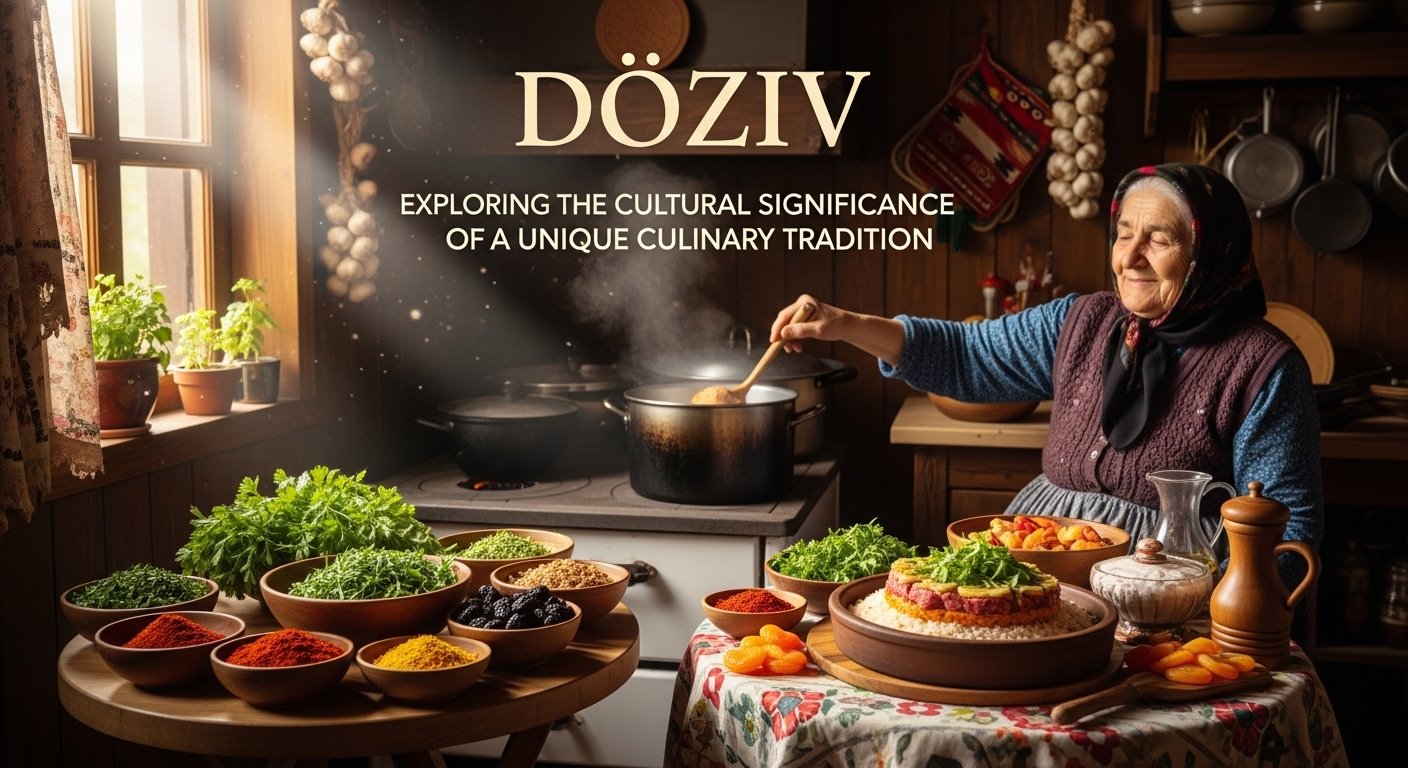
Döziv is more than just a culinary tradition; it’s a vibrant tapestry woven into the cultural fabric. With roots that trace back through generations, Döziv represents not only a unique way of cooking but also the stories and customs that define its people. As you delve into this fascinating world, you’ll discover how Döziv has become a celebration of community and heritage. From mouthwatering dishes to time-honored ingredients, every aspect reveals something special about those who cherish it. Join us on this delicious journey as we explore what makes Döziv a significant part of life.
The Cultural Significance of Döziv
Döziv holds a special place in the hearts of people. This culinary tradition is more than just food; it embodies community, identity, and history. Families come together to prepare Döziv, passing down recipes through generations. The preparation often involves elaborate rituals that strengthen bonds among family members and friends. Each dish tells a story of heritage and pride.
Celebrating Döziv also fosters a sense of belonging within local communities. It bridges cultural divides and invites curiosity from outsiders eager to learn about its rich background. In sharing Döziv during gatherings symbolizes hospitality. It reflects values like generosity and warmth, making every meal an opportunity for connection and storytelling.
Traditional Dishes and Ingredients Used in Döziv
Döziv is a culinary treasure, showcasing dishes that reflect the heart of its culture. Each recipe tells a story, rooted in tradition and local ingredients. At the core of Döziv are staples like grains, legumes, and an array of fresh vegetables. These components are often sourced from nearby farms, ensuring freshness in every bite. One cannot mention Döziv without highlighting its signature dish: stewed meats infused with aromatic spices. This hearty meal embodies warmth and community spirit.
Herbs play a crucial role as well. Fresh dill, parsley, and garlic elevate flavors while connecting each dish back to the land itself.
Desserts too hold significance within this tradition. Sweet pastries filled with nuts or fruits bring joy during gatherings and symbolize abundance. With every plate served, Döziv offers more than just nourishment it serves up cultural heritage on a platter.
A Comparative Look: Traditional vs Modern Interpretations
To better understand the evolution of Döziv, it is useful to compare its traditional and modern forms. The table below illustrates key differences while highlighting areas of continuity.
| Aspect | Traditional Döziv | Modern Döziv |
|---|---|---|
| Preparation | Community-based, time-intensive | Individual or small-team, streamlined |
| Ingredients | Locally sourced, seasonal | Globally sourced, sometimes substituted |
| Cooking Method | Slow-cooked over hours | Accelerated using modern appliances |
| Cultural Context | Ritualistic, tied to events and gatherings | Often casual, part of everyday dining |
| Presentation | Rustic, communal serving | Refined, plated for visual appeal |
| Purpose | Cultural preservation and bonding | Culinary innovation and commercial appeal |
This comparison underscores a critical point: while methods and contexts may change, the essence of Döziv its ability to bring people together remains intact.
How Döziv Has Evolved Over Time
Döziv has undergone a fascinating transformation throughout the years. Originally rooted in traditional cooking methods, it reflected the agricultural practices and seasonal availability of ingredients. Families passed down recipes, ensuring that each generation added personal touches.
As globalization took hold, Döziv started to incorporate various influences from other cuisines. Chefs began experimenting with flavors and techniques. This fusion created new interpretations while maintaining essential elements of the original dishes.
Modern technology also played a role in its evolution. Cooking equipment became more sophisticated, allowing for different preparation styles that were not previously possible. Social media further accelerated this change by showcasing regional variations and innovations worldwide. Food enthusiasts share their unique takes on Döziv, sparking interest across borders.
Despite these changes, many still honor traditional preparations during special occasions a testament to its rich heritage amidst evolving culinary landscapes.
The Role of Döziv in Celebrations and Festivals
Döziv plays a vibrant role in celebrations and festivals, serving as a culinary centerpiece that brings communities together. During these events, the aroma of Döziv wafts through the air, enticing everyone to gather around. Families often prepare this dish as part of their traditional rituals, passing down recipes from generation to generation. The act of cooking becomes an opportunity for bonding and storytelling.
Festivals highlight regional variations of Döziv, showcasing unique flavors and techniques. This diversity adds richness to communal feasts. Each bite reflects local history and pride. At weddings or harvest festivals, Döziv symbolizes abundance and prosperity. Sharing it with loved ones fosters connections among participants while honoring cultural heritage.
The celebration is incomplete without its presence on tables across homes and public gatherings alike. As music plays and laughter fills the space, Döziv remains at the heart of festivities a delicious reminder of tradition’s importance in modern life.
The Impact of Globalization on Döziv
Globalization has cast a wide net over culinary traditions worldwide, and Döziv is no exception. As cultures intermingle, the once isolated recipes have found their way into international kitchens.
Restaurants specializing in global cuisines have introduced variations of Döziv. This shift has led to creative adaptations that blend traditional flavors with modern tastes. Ingredients previously hard to find are now readily available in many parts of the world. Yet, this widespread popularity can come at a cost. The essence of Döziv may dilute as chefs experiment or alter recipes for mass appeal. Authenticity faces constant pressure from fast-paced culinary trends.
Despite these challenges, passionate advocates strive to preserve its original spirit. They promote local sourcing and traditional preparation methods, ensuring that true Döziv remains cherished amidst changing times.
Preserving the Authenticity of Döziv in Modern Times
The preservation of Döziv in today’s fast-paced world presents both challenges and opportunities. As globalization spreads culinary influences, the essence of Döziv risks being diluted.
Many communities are embracing local farming practices to keep traditional ingredients alive. By sourcing from nearby farms, cooks ensure authenticity while supporting their economies. Social media also plays a vital role. Platforms allow chefs and home cooks to share recipes and techniques, fostering a renewed interest in this unique culinary heritage. Workshops and cooking classes have emerged as popular means for passing down knowledge. Younger generations can learn from elders, bridging the gap between past traditions and modern palates.
Moreover, celebrating regional food festivals highlights Döziv’s significance within cultural identity. These events not only attract tourists but also instill pride among locals who cherish their gastronomic roots deeply.
Conclusion
Döziv stands out as a vibrant expression of cultural heritage, deeply rooted in its origins. This unique culinary tradition is more than just food; it tells the story of community, history, and identity. Each dish carries with it the essence of those who created it and continues to evolve while maintaining its core values.
In many regions where Döziv flourishes, it’s not only about sustenance but also about connection. Traditional recipes are passed down through generations, allowing families to share their stories around the table. The ingredients used reflect local agriculture and seasonal availability, showcasing a deep respect for nature’s bounty.
Celebrations and festivals revolve around Döziv dishes that bring people together. These occasions offer an opportunity for communities to gather, reminisce, and celebrate their shared culture through food. Yet globalization poses challenges as traditional practices face modern influences.
As the world becomes increasingly interconnected, preserving authenticity becomes vital. Many chefs and home cooks strive to keep Döziv alive in its truest form while adapting some elements to fit contemporary tastes. The journey of Döziv reveals how food can bridge generations and cultures alike. Its rich flavors will continue to captivate palates while echoing histories that deserve recognition and celebration for years to come.
