Lifestyle
Fisila: The Hidden Gem of Traditional Cuisine

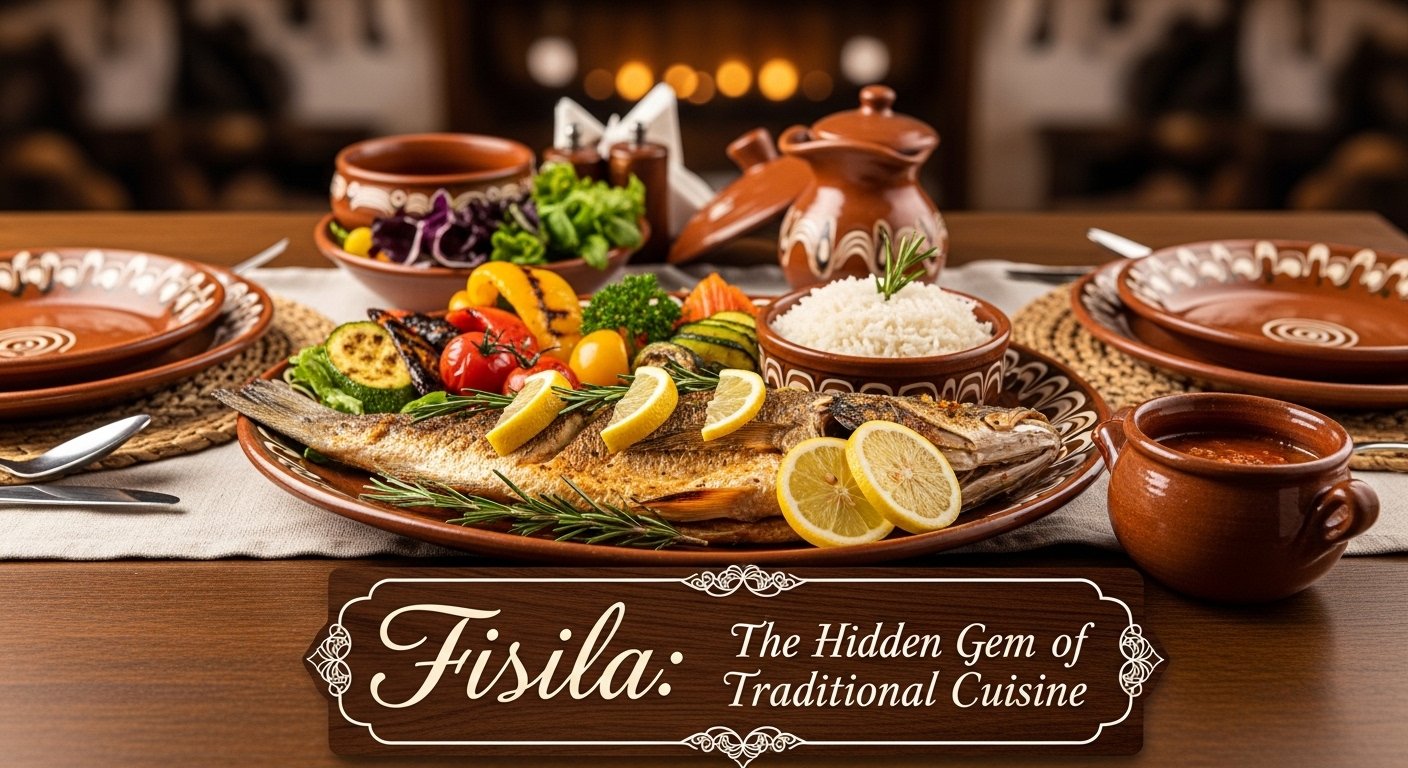
Nestled in the heart of culinary tradition lies Fisila, a vibrant tapestry of flavors and aromas waiting to be discovered. This hidden gem offers a unique insight into local culture through its rich ingredients and time-honored cooking methods. If you think you’ve explored all that traditional cuisine has to offer, think again Fisila is here to tantalize your taste buds and introduce you to an unforgettable experience. Join us as we delve deeper into this remarkable cuisine, uncovering its history, characteristics, and must-try dishes that will leave you craving more. Get ready for a gastronomic adventure!
History and Influence of Fisila in Local Culture
Fisila has deep roots in the local culture, tracing back centuries. It reflects a blend of various culinary traditions influenced by regional ingredients and historical trade routes. Local communities have cherished Fisila as more than just food. It embodies hospitality and togetherness, often served during celebrations and gatherings. Many families pass down recipes through generations, fostering a sense of belonging.
The cuisine has also been shaped by neighboring cultures. Each interaction adds layers of flavor and technique to traditional dishes. This fusion creates unique interpretations that are both nostalgic and innovative.
Today, Fisila plays a pivotal role in festivals where locals showcase their signature dishes. These events celebrate heritage while inviting newcomers to explore its rich history through taste. The context surrounding Fisila continues to evolve, weaving itself into the fabric of modern life yet remaining anchored in tradition.
Characteristics of Fisila Cuisine
Fisila cuisine is a delightful tapestry of flavors and textures. It often features an exquisite blend of spices that create vibrant dishes, making every meal a celebration. Fresh ingredients are at the heart of Fisila. Locally sourced vegetables, herbs, and grains not only enhance taste but also reflect the region’s rich agricultural traditions. Expect to find colorful plates brimming with seasonal produce.
Simplicity defines many Fisila recipes. They emphasize natural flavors rather than overwhelming them with heavy sauces or excessive seasoning. This approach allows each ingredient to shine in its own right.
Many Fisila dishes cater to various dietary preferences vegetarian options abound alongside meat-based meals. This inclusivity ensures that everyone can experience the joy of traditional cooking in this culinary landscape. Presentation plays a vital role too; meals are often beautifully arranged, inviting diners into an appealing visual feast before they even take their first bite.
A Comparative Look at Fisila’s Core Elements
To better understand the versatility of Fisila, consider how its core components translate across different contexts:
| Element | Traditional Fisila | Modern Adaptation |
|---|---|---|
| Preparation Time | Long, slow cooking | Reduced through modern techniques |
| Ingredients | Locally sourced, seasonal | Expanded with global ingredients |
| Cooking Method | Open flame or basic kitchen tools | Advanced equipment and controlled heat |
| Presentation | Rustic, communal serving | Refined plating for individual servings |
| Cultural Role | Social and familial bonding | Culinary storytelling in restaurants |
This comparison highlights how Fisila can evolve without losing its essence, provided its core philosophy remains intact.
Must-try Fisila Dishes
When exploring Fisila, certain dishes stand out as must-tries. Each plate tells a story rich in flavor and tradition. Start with the iconic Fisila stew. This dish combines tender meat or fish simmered with an array of spices, resulting in a delightful blend that’s both savory and aromatic. Don’t miss the spiced rice served alongside it. Fluffy and fragrant, it’s often infused with herbs that enhance its natural taste.
Vegetarian options shine too; consider the vegetable tagine bursting with seasonal produce and unique seasonings that transport you to another world. mAnd for something sweet? Try the traditional Fisila dessert made from nuts and honey. It’s a perfect way to end your meal on a high note, balancing richness with just the right amount of sweetness.
Where to Find Authentic Fisila Meals
To experience authentic Fisila meals, seek out local eateries and family-run restaurants. These places often serve dishes prepared using age-old recipes passed down through generations. In bustling markets, food stalls can be treasure troves for genuine Fisila flavors. Vendors proudly showcase their culinary skills with vibrant ingredients that highlight the essence of this cuisine.
Don’t overlook smaller towns where traditional cooking is still a way of life. Many hidden gems offer an intimate dining experience with warm hospitality. For those wanting to explore further, look for festivals celebrating Fisila culture. These events frequently feature pop-up stalls serving regional specialties crafted by passionate chefs and home cooks alike.
Online platforms also provide insights into the best places to savor Fisila meals. Local reviews can guide you to spots beloved by residents eager to share their culinary heritage.
Health Benefits of Fisila Ingredients
Fisila ingredients are a treasure trove of health benefits. Many traditional elements used in Fisila dishes, such as legumes and vegetables, are packed with essential nutrients. Legumes offer protein and fiber, promoting digestive health while keeping you full longer. This is particularly beneficial for those looking to maintain a healthy weight.
Vegetables commonly found in Fisila provide vitamins A and C, crucial for immune function and skin health. The variety of colors in these veggies also indicates a range of antioxidants that help combat oxidative stress. Spices used in Fisila not only enhance flavor but come with their own set of advantages. For instance, turmeric has anti-inflammatory properties that can support joint health.
Incorporating these wholesome ingredients into your meals contributes to overall well-being. It’s an easy way to nourish your body while enjoying delicious flavors unique to this cuisine.
How to Incorporate Fisila into Your Diet
Incorporating Fisila into your diet can be a delightful adventure. Start by adding Fisila dishes to your weekly meal plan. Try making a traditional stew infused with local spices for dinner. For breakfast, consider using Fisila-inspired ingredients in smoothies or oatmeal. The flavors will elevate your morning routine and keep you energized. Snack time can also feature this cuisine. Prepare small bites like spiced fritters made from legumes or grains common in Fisila cooking, perfect for dipping into homemade sauces.
Experiment with fusion recipes too. Blend elements of Fisila cuisine with your favorite dishes, such as stuffing tacos with seasoned vegetables inspired by traditional stews. Visit local markets to source authentic ingredients used in Fisila cooking. Fresh produce enhances the overall experience and brings authenticity to your meals.
Conclusion
Fisila is more than just food; it’s a vibrant tapestry woven into the fabric of local culture. Its rich history and diverse influences reflect the journey of people over generations. The unique characteristics of Fisila cuisine, with its blend of flavors and textures, make it a delightful experience for any palate.
With must-try dishes that showcase traditional cooking methods, every meal tells a story. Whether you are sampling fragrant stews or enjoying fresh vegetables, each bite connects you to the heart of this culinary tradition.
Finding authentic Fisila meals can be an adventure in itself. From bustling markets to cozy family-owned restaurants, these hidden gems await discovery. As you savor each dish, you’ll also appreciate the health benefits inherent in its wholesome ingredients. Incorporating Fisila into your diet is not only rewarding but also enhances your appreciation for varied cuisines. By exploring this remarkable culinary style, you’re opening doors to new tastes and experiences that enrich both body and spirit.


Welcome to the enchanting realm of Türk İdla, where rich history meets breathtaking landscapes. This captivating region of Turkey beckons travelers with its diverse culture and hidden treasures waiting to be discovered. Whether you’re an adventurer seeking thrills or a history buff yearning for stories from the past, Türk İdla offers something for everyone. As you journey through charming streets and ancient ruins, you’ll uncover not just destinations but experiences that resonate deeply within your heart. Join us as we delve into the wonders of Türkiye’s vibrant tapestry, revealing the allure and significance of Türk İdla like never before.
The Rich History of Turkey and Its Influence on Turkish Culture
Turkey’s history is a tapestry woven with the threads of various civilizations. From the ancient Hittites to the Byzantine Empire, each culture has left an indelible mark on its landscape and people.
The Ottomans brought their own architectural grandeur. Their influences are visible in mosques adorned with intricate tilework and palaces that tell stories of sultans past. Religion plays a vital role too. The blend of Islamic traditions and remnants from other faiths creates a unique spiritual atmosphere. Language reflects this rich heritage, filled with words borrowed from Persian and Arabic, showcasing Turkey’s diverse roots.
Art forms like calligraphy, music, and dance express deep historical narratives while evolving into contemporary expressions today. This connection between the past and present allows visitors to experience something truly extraordinary at every turn.
The Top Destinations in Türk İdla: From Istanbul to Cappadocia
Istanbul, the heart of Turkey, is a vibrant tapestry of cultures. The stunning Hagia Sophia and the bustling Grand Bazaar are must-visits. As you stroll through its streets, history whispers tales from every corner. Next on your journey is Cappadocia. This region captivates with its unique fairy chimneys and breathtaking landscapes. Hot air balloon rides at sunrise reveal a panorama that’s simply magical.
Don’t forget Pamukkale’s thermal pools – an otherworldly sight resembling cotton candy hills. Each step here feels like walking on clouds.
Ephesus offers ancient ruins that transport visitors back in time. Marvel at the Library of Celsus as it stands proudly against a backdrop of blue skies. Explore Antalya’s stunning coastline where turquoise waters meet sandy beaches. It’s perfect for sun-seekers looking to unwind amidst natural beauty without the crowds.
The Economics of the Unseen
One of the most fascinating aspects of Türk İdla is its quiet economic potential. These regions often operate outside mainstream economic visibility, yet they contribute significantly through agriculture, crafts, and small-scale trade. Consider the rise of digital platforms that enable artisans to sell directly to international audiences. Suddenly, a handcrafted item from a remote village is no longer limited by geography.
But this transition must be handled carefully. Rapid exposure can disrupt local dynamics, inflate costs, and dilute authenticity. Sustainable growth requires thoughtful integration, not sudden acceleration.
Below is a simple comparison that highlights the contrast between mainstream tourism economies and the Türk İdla approach:
| Aspect | Mainstream Tourism مناطق | Türk İdla Approach |
|---|---|---|
| Scale | High volume | Low to moderate |
| Cultural Interaction | Surface-level | Deep engagement |
| Economic Model | Centralized | Community-driven |
| Sustainability | Often reactive | Inherently embedded |
| Visitor Experience | Standardized | Personalized |
This table underscores a critical insight: Türk İdla isn’t about competing with mass tourism it’s about redefining value altogether.
Lesser-Known Gems: Discovering the Hidden Treasures of Turkey
Turkey is a treasure trove of lesser-known wonders waiting to be explored. Beyond the iconic landmarks, countless hidden gems offer authentic experiences. Take the charming village of Akyaka, nestled along the turquoise coast. Its unique architecture and serene atmosphere provide an escape from bustling tourist spots. Here, you can enjoy traditional wooden houses and try windsurfing in crystal-clear waters.
Venture inland to explore Şirince, a picturesque hillside town famous for its fruit wines. Strolling through cobblestone streets lined with local artisans feels like stepping back in time. Don’t miss the ancient ruins of Aphrodisias either. Fewer crowds mean you can fully appreciate its stunning marble structures without distraction.
These destinations capture Turkey’s rich tapestry beyond well-trodden paths, promising unforgettable memories for adventurous travelers eager to uncover what lies beneath the surface.
Immersing in the Local Culture: Food, Festivals, and Traditions
Turkey’s vibrant culture comes alive through its food, festivals, and traditions. Each region boasts unique flavors that tell stories of history and heritage. From the aromatic spices in a kebab to the delicate sweetness of baklava, every bite is an invitation to explore.
Festivals are an essential part of local life. They celebrate everything from harvests to historical events. The Whirling Dervishes offer a mesmerizing glimpse into spiritual practices, while colorful street fairs showcase traditional music and dance.
Engaging with locals during these festivities creates unforgettable memories. You might find yourself dancing at weddings or participating in lively gatherings over shared meals. Traditions like tea-drinking rituals bring everyone together for conversation and connection. As you sip on this fragrant beverage, you’ll feel more attuned to the warmth of Turkish hospitality an experience that transcends mere travel.
Tips for Navigating Türk İdla: Language, Currency, and Culture
When exploring Türk İdla, knowing a few basics can enhance your experience. The primary language is Turkish. Learning simple phrases like “Merhaba” (Hello) and “Teşekkür ederim” (Thank you) can go a long way.
Currency is the Turkish Lira (TRY). Cultural norms play an essential role in daily life. Greetings usually involve a handshake or a light kiss on both cheeks among friends. Dress modestly when visiting religious sites; it shows respect to local traditions.
Embrace the pace of life here slow down and enjoy spontaneous moments that make Türk İdla unique. Engaging with locals will open doors to hidden stories and experiences you won’t find in guidebooks.
Conclusion
Exploring Türk İdla is an adventure filled with rich experiences. From the bustling streets of Istanbul to the breathtaking landscapes of Cappadocia, Turkey offers a blend of history and modernity that captivates every traveler.
The hidden gems scattered throughout this beautiful country provide unique insights into Turkish culture. Each destination reveals stories woven through time, inviting visitors to immerse themselves in local traditions and festivals.
The flavors tell tales that words cannot express; each dish connects you deeper to the region’s heritage. Understanding basic language phrases and currency will help you engage more meaningfully with locals. Embrace the allure of Türk İdla; it promises unforgettable adventures at every turn.

In a world saturated with mainstream media, finding an authentic voice can feel like searching for a needle in a haystack. Enter Ksözcü, the hidden gem of online journalism that is reshaping how we consume news. Launched as an alternative to traditional outlets, this platform prioritizes transparency and engagement over sensationalism. It has quickly gained traction among those who crave insightful reporting without the fluff. With its unique blend of innovative storytelling and community-driven content, Ksözcü stands out in the crowded digital space. Let’s dive into what makes this platform not only noteworthy but essential for today’s discerning reader.
The Unique Features of Ksözcü
Ksözcü stands out in the crowded landscape of online journalism with its commitment to uncovering untold stories. One unique feature is its focus on grassroots reporting, often highlighting issues that mainstream outlets overlook.
The platform encourages citizen journalists to contribute, fostering a sense of community involvement. This approach not only diversifies the narratives presented but also empowers individuals to share their perspectives.
Another distinctive aspect is Ksözcü’s multimedia integration. Combining written articles with engaging visuals and interactive elements enhances the reading experience, making complex topics more accessible. Additionally, it offers real-time updates on breaking news, ensuring readers stay informed as events unfold. The user-friendly interface allows for easy navigation and quick access to trending stories.
These features create an enriching environment where readers can explore diverse viewpoints and engage deeply with current affairs. In doing so, Ksözcü redefines what modern journalism can be.
A New Voice in Storytelling
At its core, Ksözcü is not just a publication it is a voice. A voice that challenges, questions, and occasionally disrupts. The platform leans heavily into narrative journalism. Stories are not merely reported; they are crafted. There is an almost literary quality to its content, where facts are woven seamlessly with human experience. This approach transforms even the most ordinary topics into compelling reads.
The editorial style reflects a deep understanding of audience psychology. Readers today are not just looking for information they are looking for connection. Ksözcü delivers that connection by grounding its stories in real-world relevance.
Key Characteristics That Define Ksözcü
To better understand what makes Ksözcü unique, it is helpful to examine its defining characteristics:
| Feature | Description |
|---|---|
| Narrative Depth | Focuses on storytelling rather than surface-level reporting |
| Authentic Voice | Maintains a consistent, human tone across all content |
| Selective Publishing | Prioritizes quality over quantity |
| Reader-Centric Approach | Designed to engage and respect the reader’s intelligence |
| Thought Leadership | Offers insights that go beyond conventional perspectives |
This combination of elements creates a reading experience that feels both refreshing and intellectually satisfying.
How Ksözcü is Revolutionizing Online Journalism
Ksözcü is redefining the landscape of online journalism through its innovative approach to news delivery. By embracing multimedia storytelling, it engages readers in ways traditional platforms often overlook.
The platform harnesses social media dynamics, allowing real-time interactions between journalists and audiences. This instant feedback loop fosters transparency and accountability, reshaping how stories are reported. Moreover, Ksözcü emphasizes local voices and issues that mainstream outlets frequently ignore. It shines a spotlight on grassroots movements and underrepresented communities.
Its commitment to fact-checking ensures that information shared is reliable, cultivating trust among its audience. Readers appreciate not just the content but also the integrity behind it. Through these strategies, Ksözcü stands as a beacon for aspiring journalists seeking fresh pathways in an ever-evolving digital world. Its impact resonates beyond mere headlines; it inspires new standards for journalistic excellence across the industry.
Examples of Successful Stories on Ksözcü
Ksözcü has become a platform for groundbreaking journalism, showcasing stories that resonate with readers. One notable piece explored environmental issues in Turkey, revealing the impact of industrial pollution on local communities. This story not only informed but also inspired action.
Another standout article delved into political corruption, exposing hidden agendas and sparking public debate. The investigative nature of this report highlighted Ksözcü’s commitment to transparency and accountability.
Human interest stories have also found their place here. A feature on grassroots activists fighting for social justice captured the struggles and triumphs of everyday heroes. These narratives connect deeply with audiences, reflecting real-life challenges. The diversity in storytelling is what sets Ksözcü apart. Each article offers a fresh perspective while maintaining journalistic integrity. Readers are drawn to both the depth and breadth of content available on this innovative platform.
Why Ksözcü is a Must-Read for News Enthusiasts
Ksözcü stands out in the crowded world of online journalism. It offers a fresh perspective on the news landscape that traditional outlets often overlook. The site is known for its commitment to investigative reporting. Readers can expect in-depth articles that uncover hidden truths and provide context to current events.
Additionally, Ksözcü embraces diverse voices. This inclusivity enriches the narrative and broadens understanding across various topics. Its user-friendly interface enhances the reading experience, making it easy to navigate through compelling stories and insightful analyses.
For those who crave authenticity, Ksözcü delivers content free from sensationalism. Each piece is crafted with care, prioritizing facts over clickbait headlines. News enthusiasts will find themselves immersed in a treasure trove of information that challenges conventional thinking and invites deeper engagement with pressing issues.
A Comparative Glance at Digital Journalism Models
To better understand Ksözcü’s positioning, it helps to compare it with other prevailing models in digital journalism.
| Aspect | Traditional Media Platforms | Algorithm-Driven Platforms | Ksözcü Approach |
|---|---|---|---|
| Content Volume | Moderate to High | Extremely High | Selective and Curated |
| Editorial Control | Structured | Algorithm-Influenced | Strong Editorial Voice |
| Reader Engagement | Passive | Reactive | Thoughtful and Active |
| Story Depth | Variable | Often Shallow | Consistently In-Depth |
| Monetization Focus | Advertising | Click-Based Revenue | Value-Oriented |
This comparison highlights a key insight: Ksözcü is not competing on the same metrics as most digital platforms. It is redefining what success looks like in online journalism.
The Future of Ksözcü and its Impact on the Journalism Industry
Ksözcü is poised to redefine the landscape of online journalism. As it continues to innovate, its focus on transparency and authenticity sets a new standard for reporting. Emerging technologies like AI and data analytics will enhance storytelling capabilities. Readers can expect more personalized content tailored to their interests, making news consumption engaging and relevant.
Moreover, Ksözcü’s commitment to investigative journalism encourages deeper dives into critical issues. This approach not only captivates audiences but also fosters trust in media.
As traditional outlets face challenges, platforms like Ksözcü are leading the charge toward a more accountable press. The potential ripple effects could inspire other media organizations to adopt similar practices, elevating the overall quality of journalism worldwide. In this shifting paradigm, Ksözcü stands as a beacon for aspiring journalists seeking inspiration from progressive models that prioritize integrity over sensationalism.
Conclusion
Ksözcü has emerged as a remarkable platform in the realm of online journalism. Its unique approach and commitment to quality storytelling set it apart from traditional news outlets. With its diverse range of topics and engaging narratives, Ksözcü invites readers into a world where journalism meets creativity.
The platform not only showcases important stories but also empowers citizen journalists to share their insights. By doing so, it creates a space for voices often overlooked by mainstream media. Through innovative features and a dedication to authenticity, Ksözcü is reshaping how we consume news today.
As more people discover this hidden gem, its impact on the industry will undoubtedly grow. News enthusiasts who seek fresh perspectives should consider making Ksözcü part of their daily reading list. The future looks bright for this trailblazer in online journalism, promising even more exciting developments ahead as it continues to evolve and inspire change within the field.
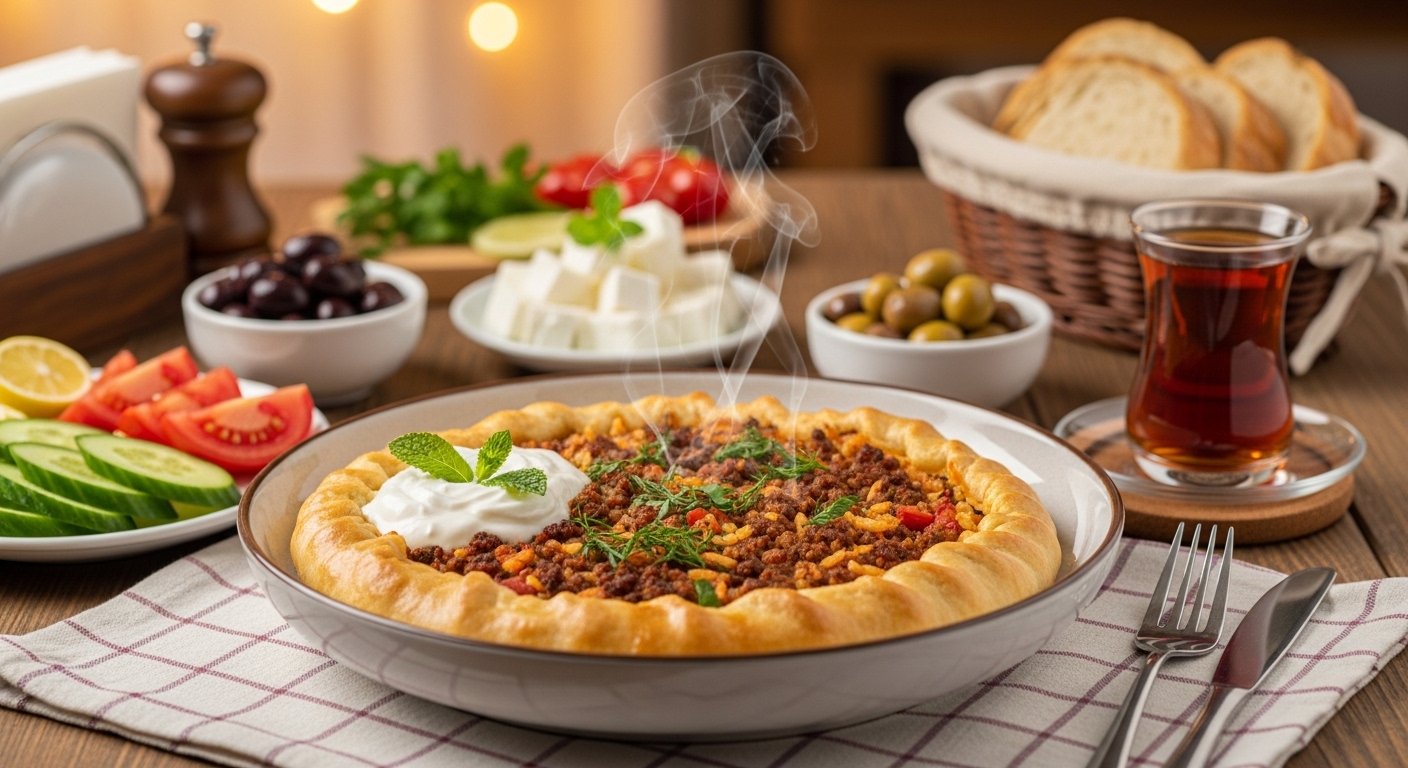
Nestled in the heart of delicious home-cooked meals lies a dish that warms both the body and soul: Çievri. This delightful comfort food has captured hearts across cultures, transcending borders with its rich flavors and satisfying textures. With roots tracing back to various culinary traditions, Çievri is more than just a meal; it’s an experience filled with warmth and nostalgia.
Whether you’re gathering around the dinner table or enjoying a cozy night in, Çievri offers an inviting embrace that makes any occasion special. Ready to explore why this dish deserves a spot on your plate? Let’s dive into what makes Çievri so irresistible!
What Makes Çievri the Ultimate Comfort Food?
Çievri is the embodiment of comfort food, warming hearts and bellies alike. Its rich flavors create a sense of nostalgia that transports you back to cherished family gatherings.
The soft texture invites you to savor every bite slowly. The blend of spices brings warmth, while fresh ingredients add a layer of brightness. Each mouthful feels like a hug on a cold day.
What truly sets Çievri apart is its versatility. Whether enjoyed as a hearty main dish or a cozy side, it adapts beautifully to any occasion.
Moreover, it’s perfect for sharing with loved ones around the table a social experience that enhances its comforting nature. It’s not just food; it’s an experience filled with love and laughter.
Ultimately, Çievri satisfies both hunger and soul in ways few dishes can match.
Traditional Ingredients and Preparation Methods
Çievri is a dish steeped in tradition, showcasing ingredients that evoke rich flavors and warmth. At its core, it typically features tender cuts of meat, often lamb or beef. These proteins are slow-cooked to unlock their natural juiciness.
The magic happens when accompanied by fresh vegetables like onions and bell peppers. Their sweetness balances the savory notes beautifully. Spices play a crucial role too; paprika and cumin add depth.
Preparation methods vary but often include simmering in a clay pot or cast iron skillet. This technique allows the flavors to meld wonderfully over time.
Some families pass down secret recipes, ensuring each batch carries unique nuances reflective of personal history. Whether cooked on an open fire or in a cozy kitchen, çievri brings people together around the table for shared moments of joy and comfort.
The Business Potential of Çievri
The rise of Çievri is not just a culinary phenomenon; it is also a business opportunity. As consumers increasingly prioritize authenticity and experience, dishes like Çievri become valuable assets for food ventures.
From cloud kitchens to premium dining establishments, Çievri can be adapted to suit various business models. Its ingredients are often cost-effective, and its preparation allows for scalability without compromising quality. This makes it particularly appealing for startups looking to enter the competitive food industry.
Below is a simple comparison that highlights why Çievri holds strong commercial potential:
| Factor | Traditional Fast Food | Çievri-Based Offerings |
|---|---|---|
| Ingredient Cost | Moderate to High | Low to Moderate |
| Preparation Time | Fast | Moderate |
| Customization | Limited | High |
| Customer Experience | Transactional | Emotional & Memorable |
| Market Differentiation | Low | High |
This table underscores a critical insight: while fast food prioritizes speed, Çievri emphasizes connection. And in today’s experience-driven economy, that distinction matters.
Variations of Çievri Across Different Cultures
Çievri is a dish that transcends borders, with each culture adding its unique flair. In Turkey, it often features tender lamb or beef slow-cooked with aromatic spices and served over rice or bulgur.
Traveling to the Balkans, you’ll find variations infused with local herbs and veggies. Here, it’s not uncommon for families to add seasonal ingredients like peppers and tomatoes to enhance flavor.
In Central Asia, Çievri takes on a heartier form. Cooked in large pots over open flames, it might include grains such as barley or millet alongside generous portions of meat.
Meanwhile, Mediterranean versions might highlight seafood instead of traditional meats. Fresh fish paired with coastal vegetables creates a light yet satisfying take on this comfort food classic.
Each version tells a story rooted in tradition while inviting culinary creativity from every corner of the globe.
Health Benefits of Çievri
Çievri is not just delicious; it also offers a variety of health benefits. This traditional dish, often made with wholesome ingredients, can be both nourishing and satisfying. Rich in proteins from its main components, Çievri supports muscle repair and growth. It’s an excellent source of energy for those on the go or looking to fuel their day.
The inclusion of fresh vegetables adds essential vitamins and minerals. These nutrients help boost immunity and improve overall well-being.
Moreover, many recipes incorporate heart-healthy fats that contribute to better cardiovascular health. The blend of flavors ensures you enjoy every bite while taking care of your body.
This comfort food can fit into balanced diets when prepared mindfully. You get warmth for the soul along with vital nourishment for your body truly a win-win scenario!
Creative Recipes Using Çievri
Çievri serves as a versatile base for many creative recipes. You can transform it into a scrumptious breakfast option by adding sautéed vegetables and poached eggs. The warm, comforting texture pairs beautifully with the freshness of ingredients. For lunch, consider making Çievri wraps. Use whole grain tortillas to encase seasoned meat and fresh greens topped with your favorite sauces. It’s quick, healthy, and packed with flavor.
Dinner takes on an exciting twist when you incorporate Çievri into casseroles. Layer it with roasted veggies and cheese for a hearty meal that the whole family will love.
Don’t overlook dessert! A sweet version of Çievri mixed with fruits and drizzled honey makes for an unexpected yet delightful treat after dinner. The possibilities are endless when you let your creativity shine in the kitchen!
How to Incorporate Çievri into Your Daily Meals
Incorporating Çievri into your daily meals is both simple and rewarding. Start with breakfast by adding it to scrambled eggs or an omelet for a hearty twist. For lunch, think outside the sandwich. Use Çievri as a filling for wraps or stuffed peppers. Pair it with fresh veggies for added crunch.
At dinner, Čievri can elevate pasta dishes. Toss it in with fettuccine and a light cream sauce, creating an indulgent yet comforting meal. Don’t forget snacks! Serve small portions of warm Çievri alongside dips like hummus or tzatziki.
Experimenting with different herbs and spices can change its flavor profile entirely, making each meal feel unique. Whether you’re hosting friends or enjoying a quiet night in, finding ways to integrate this ingredient will delight everyone around the table.
Why You Need to Try Çievri Today!
Çievri is not just a dish; it’s an experience. The first bite transports you to a world of rich flavors and comforting aromas. Imagine gathering with friends or family, sharing stories over steaming plates of this delightful meal. It’s the perfect centerpiece for any occasion, from casual dinners to festive celebrations.
This comfort food has something for everyone whether you’re in the mood for savory spices or hearty textures. Each version tells its own story, reflecting traditions and cultures around the globe. Plus, experimenting with Çievri opens doors to creativity in your kitchen. You’ll discover new combinations that excite your palate while bringing warmth to your table.
Don’t wait too long; indulge in this culinary treasure today! Treat yourself to the joy and satisfaction that only Çievri can bring into your life. Embrace it as part of your culinary journey now!
Conclusion
Çievri is more than just a dish; it’s a warm embrace on a cold day, a nostalgic reminder of home. This versatile comfort food has roots that stretch deep into various cultures, each adding their twist to its preparation and presentation. From traditional recipes passed down through generations to modern interpretations bursting with creativity, Çievri continues to captivate taste buds.
Its rich flavors don’t just satisfy hunger; they elevate the dining experience. With numerous health benefits packed into every serving, it stands as an excellent choice for anyone looking to indulge guilt-free.
Considering all this, it’s easy to see why you should give Çievri a try today. Whether you’re whipping up a bowl for yourself or sharing it at gatherings with friends and family, you’ll discover that there’s always room for this delightful dish in your culinary repertoire. Embrace the warmth and joy of Çievri it may just become your new favorite comfort food!
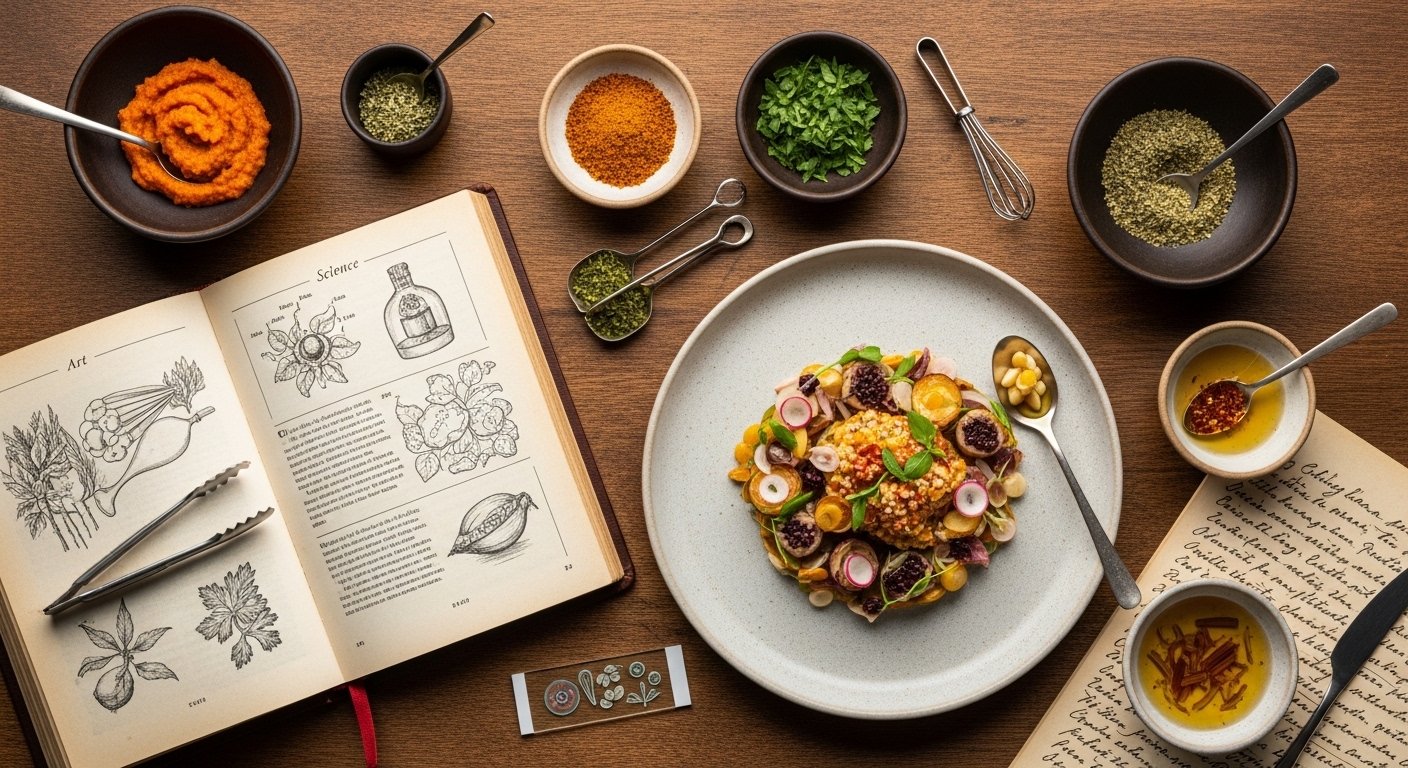
Welcome to the captivating world of Dougahozonn, where culinary artistry meets scientific precision. This unique dining experience transcends traditional cooking methods, offering a feast for both the palate and the senses. Imagine savoring flavors that tell stories, each bite infused with culture and creativity. In this blog post, we will explore the origins of Dougahozonn, uncover its essential ingredients and techniques, and reveal how you can introduce this extraordinary cuisine into your own kitchen. Whether you’re a seasoned chef or an enthusiastic home cook, prepare to embark on a delicious journey that celebrates food in all its forms!
The Origins of Dougahozonn
Dougahozonn traces its roots deep within the rich tapestry of culinary traditions. This unique dish originates from a blend of ancient cooking practices passed down through generations.
Historically, it is said to have emerged in regions where various cultures intersected. Influences from local ingredients and flavors shaped Dougahozonn into what it is today. Communities celebrated seasonal harvests by creating vibrant dishes that highlighted their surroundings.
Each family has its own story about how they came to embrace this art form. Passed along at family gatherings, these recipes evolved while maintaining core elements that define the essence of Dougahozonn.
The preparation methods reflect both simplicity and sophistication, showcasing an appreciation for nature’s bounty. As time went on, chefs began experimenting with techniques, further enhancing this traditional meal’s allure and creativity.
The Ingredients and Techniques Used in Dougahozonn
Dougahozonn is a captivating culinary experience that thrives on its diverse ingredients. Fresh vegetables, aromatic herbs, and robust spices form the backbone of this dish. Each component is selected for its unique flavor profile and nutritional benefits.
The grains used vary but often include quinoa or bulgur, providing a hearty base that absorbs flavors beautifully. Proteins like chickpeas or lentils add texture and richness while keeping the meal plant-based.
Techniques play an essential role in bringing Dougahozonn to life. Slow cooking allows flavors to meld seamlessly, creating depth in every bite. Roasting some ingredients enhances their natural sweetness, making each mouthful more satisfying.
Presentation is equally important; colors should pop visually on the plate. A drizzle of homemade sauce can elevate the entire experience, tying together all elements harmoniously with just one stroke of creativity.
Preparing and Serving a Dougahozonn Meal
Preparing a Dougahozonn meal is an immersive experience that connects you to its rich history. Start by gathering fresh ingredients, such as seasonal vegetables, aromatic spices, and proteins of your choice.
The magic lies in the layering of flavors. Begin with sautéing onions and garlic until they’re golden brown. This forms the aromatic base for your dish. Next, add in your selected spices—a mix of cumin, coriander, or saffron can elevate the taste profile significantly. Don’t rush; allow these ingredients to mingle and release their essence.
When it comes time to serve, presentation matters. Use vibrant serving dishes that highlight the colors of each component—green herbs sprinkled on top provide contrast and freshness. Pairing is essential too; serve with crusty bread or fragrant rice to soak up every bit of flavor from the sauce. Enjoying this communal meal style encourages sharing stories around the table while savoring each bite together.
Dougahozonn in Practice
To appreciate the versatility of Dougahozonn, it is helpful to examine how it is applied across different culinary contexts. The following table provides a snapshot of its practical uses:
| Application Area | Technique Focus | Outcome |
|---|---|---|
| Meat Preparation | Controlled aging and humidity | Enhanced tenderness and deeper flavor |
| Seafood Handling | Oxygen regulation | Improved freshness and texture |
| Vegetable Storage | Moisture balance | Retained crispness and extended shelf life |
| Dairy Products | Enzymatic development | Complex flavor profiles |
| Plant-Based Foods | Fermentation and preservation | Increased nutritional value and taste |
Each application demonstrates the adaptability of Dougahozonn. It is not confined to a single category or cuisine; rather, it serves as a framework that can be tailored to specific needs and creative visions.
The Health Benefits of Dougahozonn
Dougahozonn is not just a culinary delight; it also boasts numerous health benefits. The unique blend of fresh ingredients often used in this dish can provide essential vitamins and minerals that support overall well-being.
Many varieties of Dougahozonn incorporate vegetables packed with antioxidants. These nutrients help fight free radicals, which may reduce the risk of chronic diseases. Furthermore, the cooking methods employed in preparing Dougahozonn often preserve nutrient integrity. This means you’re getting maximum flavor while still enjoying all the health advantages.
Additionally, many recipes focus on lean proteins and whole grains as key components. These elements contribute to better digestion and sustained energy levels throughout the day. Incorporating Dougahozonn into your diet can be a delicious way to boost your nutrition without sacrificing taste or enjoyment.
Popular Variations of Dougahozonn Around the World
Dougahozonn has traveled far beyond its roots, evolving into a diverse range of variations worldwide. Each culture adds its twist, creating unique interpretations that reflect local tastes and traditions. In West Africa, one popular variation incorporates spicy peppers and smoked fish. This version emphasizes bold flavors while maintaining the dish’s signature texture. Traveling to Southeast Asia, you’ll find Dougahozonn blended with fragrant herbs like lemongrass and cilantro. The addition of coconut milk gives it a creamy richness that tantalizes the palate.
European chefs experiment too, often integrating rich cheeses or seasonal vegetables for an elevated experience. These adaptations highlight creativity in both home kitchens and fine dining establishments. Each region showcases its culinary identity through Dougahozonn, making every bite a journey across continents and cultures.
How to Incorporate Dougahozonn Into Your Cooking Routine
Incorporating Dougahozonn into your cooking routine can be a delightful adventure. Start by setting aside a specific day each week dedicated to experimenting with this unique dish. Begin small. Try adding Dougahozonn components to familiar recipes. This could mean using spices or ingredients associated with it in your favorite stews or salads.
Consider hosting themed dinners where you explore the cultural aspects of Dougahozonn. Invite friends and family to join in, making it a fun communal experience. Don’t shy away from online resources. There are plenty of blogs and videos that offer innovative takes on traditional methods. Keep track of what works best for you. Create a personal cookbook filled with modifications and new ideas as you discover different ways to enjoy this culinary gem.
Final Thoughts on This Unique Culinary Experience
Dougahozonn is not just a meal; it’s an experience. Each dish tells a story, weaving together tradition and innovation. When you sit down to enjoy Dougahozonn, you’re connecting with history while also exploring new flavors. The preparation rituals create a sense of community that extends beyond the table.
This culinary art invites experimentation too. Chefs and home cooks alike can play with ingredients, making each rendition unique. Embracing Dougahozonn means celebrating diversity in cuisine. It encourages us to appreciate the nuances that various cultures bring to our plates. As more people discover this delightful food journey, its popularity continues to grow globally. It’s exciting to think about where Dougahozonn will go next and how it will evolve over time.
Conclusion
Dougahozonn represents a beautiful blend of art and science in the culinary world. Its rich history invites us to explore not only its delightful flavors but also the cultural significance behind each dish. With a focus on fresh ingredients, time-honored techniques, and innovative variations, Dougahozonn opens up endless possibilities for home cooks and food enthusiasts alike.
Whether you’re enjoying traditional preparations or experimenting with modern twists, there’s something deeply satisfying about engaging with this unique cooking style. The health benefits further enhance its appeal, making it an excellent choice for anyone looking to nourish their body while indulging their taste buds.
As you incorporate Dougahozonn into your cooking routine, remember that it’s more than just a meal—it’s an experience that connects people across cultures. Embrace the journey of discovery as you savor every bite of this exceptional culinary delight.
-

 Technology4 months ago
Bynethi com: The Future Of Online Resources
-
 Technology4 months ago
Merfez: The Future of Digital System Integration
-

 Technology4 months ago
Snapjotz com: The Future Of Multimedia Digital Notebook
-
 Health4 months ago
Kinervus: The Future Of Advanced Neurological Rehabilitation Care
-
 Technology4 months ago
hggbfe3fykc: The Ultimate Guide to This Digital Innovation Framework
-
 Technology4 months ago
Wattip: The Future Of Digital Value with Micro-Engagement Systems
-

 Fashion4 months ago
TrendyWinner com: The Future Redefining Online Shopping for Style Enthusiasts
-
 Finance4 months ago
Finnorth: The Future of High Performance Digital Finance Solutions